The Rabies virus is a name that evokes fear, and for good reason. Responsible for one of the oldest and most devastating zoonotic diseases known to humanity, rabies is almost universally fatal once clinical symptoms emerge. While its impact is profound, especially in developing nations, understanding the intricate details of the virus's structure, its primary modes of transmission, and crucially, why its indirect spread is an exceedingly rare event, can empower us with knowledge and underscore the effectiveness of prevention strategies. This article delves into the fascinating biology of the Rabies lyssavirus, tracing its journey from a microscopic bullet-shaped entity to a formidable central nervous system pathogen, and shedding light on why its environmental fragility offers a glimmer of hope in the fight against this ancient foe.
Understanding the Rabies Virus: A Biological Marvel
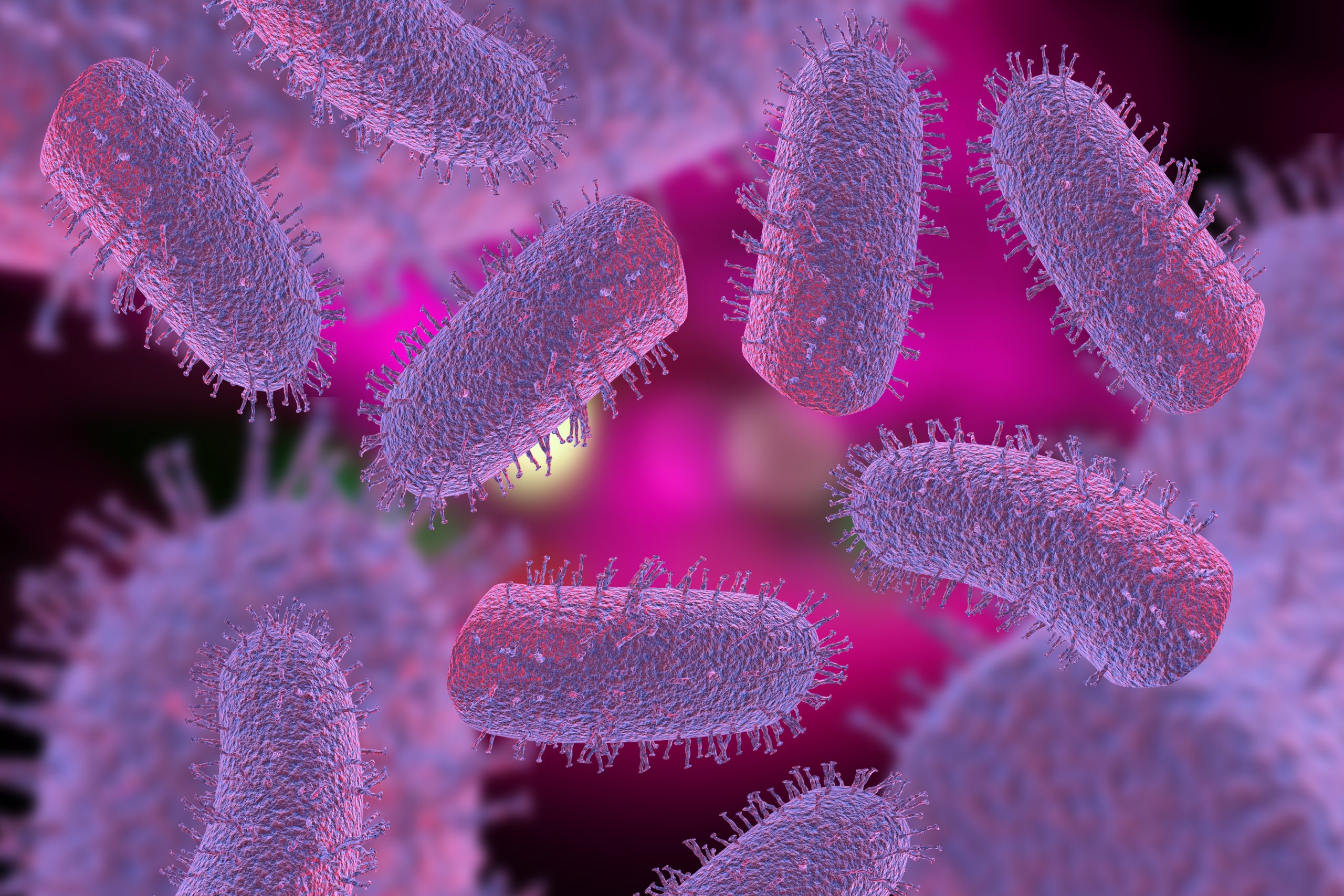
At the heart of the disease lies the Rabies lyssavirus, a meticulously engineered pathogen belonging to the genus Lyssavirus, nestled within the family Rhabdoviridae and order Mononegavirales. This classification immediately tells us a few things: it's a non-segmented, negative-sense RNA virus, meaning its genetic material requires transcription into a positive-sense strand before protein synthesis can occur. Visually, the Rabies virus is distinctive, characterized by its bullet-like or bacilliform shape, measuring approximately 60 nanometers in diameter and 180 nanometers in length. It is also an enveloped virus, meaning it possesses an outer lipid membrane derived from the host cell, studded with viral glycoproteins that are critical for host cell recognition and entry.
The viral genome of the Rabies virus encodes five essential proteins, each playing a vital role in its replication cycle and structural integrity:
- Nucleoprotein (N): Encapsulates the RNA genome, protecting it and facilitating transcription.
- Phosphoprotein (P): A crucial cofactor for the viral polymerase, involved in transcription and replication.
- Matrix Protein (M): Forms a layer between the nucleocapsid and the viral envelope, helping in virion assembly and budding.
- Glycoprotein (G): Spans the viral envelope, forming spikes on the surface. This protein is the primary target for neutralizing antibodies and is critical for viral attachment to host cells.
- Large Polymerase (L): The viral RNA-dependent RNA polymerase, responsible for transcribing the viral genome into mRNA and replicating the genome.
Together, these proteins enable the virus to hijack the cellular machinery of mammals, leading to encephalomyelitis—a severe inflammation of the brain and spinal cord—once clinical symptoms of rabies become apparent. This intricate structure and functional protein ensemble allow the Rabies virus to execute its devastating effects with deadly precision.
The Primary Pathways of Rabies Transmission
The transmission dynamics of the Rabies virus are remarkably consistent and largely restricted, focusing predominantly on direct animal-to-animal or animal-to-human contact. The overwhelming majority of cases, particularly in humans, stem from a single, critical event: the bite or scratch of an infected animal. This action introduces virus-laden saliva directly into an open wound or onto mucous membranes (eyes, nose, mouth), providing the virus with a direct pathway into the host's system.
Globally, dogs are the primary culprits, accounting for a staggering up to 99% of all human rabies cases. This statistic underscores the critical importance of canine vaccination programs as a cornerstone of public health efforts. However, in regions like the Americas, various wildlife species serve as significant reservoirs, maintaining the virus in nature. These include bats, raccoons, foxes, and skunks, each presenting unique challenges for surveillance and control due to their elusive nature and widespread habitats.
Understanding these primary transmission routes is paramount for prevention. Practical tips include:
- Vaccinate your pets: Ensure all cats, dogs, and ferrets are vaccinated against rabies according to local regulations.
- Avoid wildlife: Never approach or handle wild animals, especially those acting unusually or appearing sick.
- Educate children: Teach children never to approach stray or wild animals, even if they seem friendly.
- Report bites: If bitten or scratched by an animal, immediately seek medical attention and report the incident to local animal control authorities.
For more detailed insights into how rabies spreads and the symptoms to watch for, you might find Rabies Virus Explained: Transmission, Symptoms, and Prevention Strategies a valuable resource.
Why Indirect Spread is Exceptionally Rare: The Virus's Achilles' Heel
One of the most reassuring aspects of the Rabies virus, when compared to many other pathogens, is its remarkable fragility outside a living host. Unlike resilient viruses that can persist on surfaces for extended periods and readily spread via indirect contact (fomites), the rabies virus has a significant Achilles' heel: it is rapidly inactivated by drying in air, a process known as desiccation. This inherent vulnerability means that once material containing the virus, such as saliva, dries out, it is generally considered non-infectious.
The survival time of the Rabies virus outside its host is highly dependent on environmental conditions:
- Temperature and Humidity: Higher temperatures and lower humidity accelerate inactivation. At typical room temperatures (around 20°C), the virus usually survives no more than a few hours.
- Sunlight: Exposure to ultraviolet (UV) radiation from sunlight further hastens its demise, inactivating the virus even faster, sometimes within 1.5 hours at 30°C with direct sunlight.
- Surface Type: While studies show some persistence on surfaces at 20°C, with significant loss of infectivity within 24-48 hours, total inactivation typically occurs within a few days.
These factors collectively contribute to the extreme rarity of indirect or fomite transmission. This means that encountering the virus on inanimate objects like doorknobs, clothing, or shared utensils does not pose a significant risk. The focus of prevention can therefore remain squarely on avoiding direct contact with infected animals. This contrasts sharply with many respiratory viruses or gastrointestinal pathogens that can survive for hours or even days on surfaces, necessitating rigorous environmental disinfection. The Rabies virus simply isn't built for environmental resilience, making direct introduction into a wound or mucous membrane essential for infection to occur.
The Unseen Journey: Rabies Pathogenesis and Its Devastating Impact
Once the Rabies virus breaches the protective barriers of the skin, its journey through the body is both insidious and devastating. The virus possesses a cunning mechanism to evade early immune detection. It specifically binds to nicotinic acetylcholine receptors located on nerve endings, typically at the site of the bite or scratch. From there, it embarks on a remarkable journey, travelling retrogradely—backward—along the peripheral nerves towards the central nervous system (CNS). This process, known as axonal transport, is slow but effective, allowing the virus to reach the brain without triggering a strong initial immune response.
Upon reaching the central nervous system, the virus replicates vigorously within neurons, causing widespread inflammation and severe neuronal dysfunction. This unchecked replication and damage to critical brain regions lead to the characteristic and horrific symptoms of rabies. These include:
- Hydrophobia: A profound fear of water, often manifesting as painful spasms when trying to drink or even seeing water.
- Aerophobia: An aversion or fear of drafts of air, which can also trigger spasms.
- Agitation and Hyperexcitability: Periods of extreme restlessness, aggression, and confusion.
- Paralysis: Progressive muscle weakness and paralysis, eventually leading to respiratory failure.
- Coma: The final stage, preceding death.
Tragically, once clinical symptoms manifest, rabies is almost universally fatal. This makes prompt post-exposure prophylaxis (PEP) not just important, but a matter of life or death, highlighting the urgency of medical intervention immediately after potential exposure.
Prevention and Global Eradication Efforts
Despite its terrifying lethality once symptoms appear, rabies is a 100% vaccine-preventable disease. Effective human and animal vaccines have been available since the late 19th century, marking one of medical science's earliest and most significant triumphs. Modern prevention strategies focus on two main pillars:
1. Post-Exposure Prophylaxis (PEP)
For individuals potentially exposed to the Rabies virus, prompt and thorough PEP is critical. It comprises three key components:
- Immediate Wound Cleansing: Washing the wound thoroughly with soap and water for several minutes.
- Rabies Immunoglobulin (RIG): An immediate dose of antibodies administered directly into and around the wound to provide passive immunity.
- Series of Rabies Vaccines: A course of active immunization to stimulate the body's own immune response against the virus.
Administered promptly before symptoms onset, PEP can effectively prevent the development of rabies. Delay, however, can be fatal.
2. Pre-Exposure Vaccination
Preventive vaccination is recommended for individuals at high risk of exposure, such as veterinarians, animal handlers, laboratory workers who handle the virus, and travelers to regions where rabies is endemic and access to PEP might be limited.
Despite these interventions, rabies remains a significant global public health threat, particularly in low-resource settings. An estimated 59,000 human deaths occur annually, with over 95% concentrated in Asia and Africa. Children under 15 years are disproportionately affected, comprising about 40% of victims, often due to limited access to life-saving PEP. Global initiatives, such as the World Health Organization's (WHO) "Zero by 30" initiative, aim to eliminate human deaths from dog-mediated rabies by 2030. This ambitious goal hinges on widespread mass dog vaccination campaigns and improved surveillance systems, demonstrating that collective action can indeed consign this ancient disease to the history books.
The Rabies virus is a deadly adversary, but one whose mechanisms of action and vulnerabilities are well understood. Its unique bullet shape, the specific proteins that drive its replication, and its predictable transmission primarily through direct contact from infected animals all contribute to its notorious reputation. Crucially, its environmental fragility—the rapid inactivation by drying and sunlight—means that indirect spread is exceedingly rare, shifting the focus firmly onto direct animal exposure as the primary risk. Through sustained global efforts, comprehensive vaccination programs for both humans and animals, and prompt post-exposure prophylaxis, the ultimate eradication of human deaths from rabies remains an achievable, vital public health goal. For a deeper dive into these global strategies, consider reading The Rabies Virus: Global Killer, Vaccine Hope, Eradication Goal.